Advice
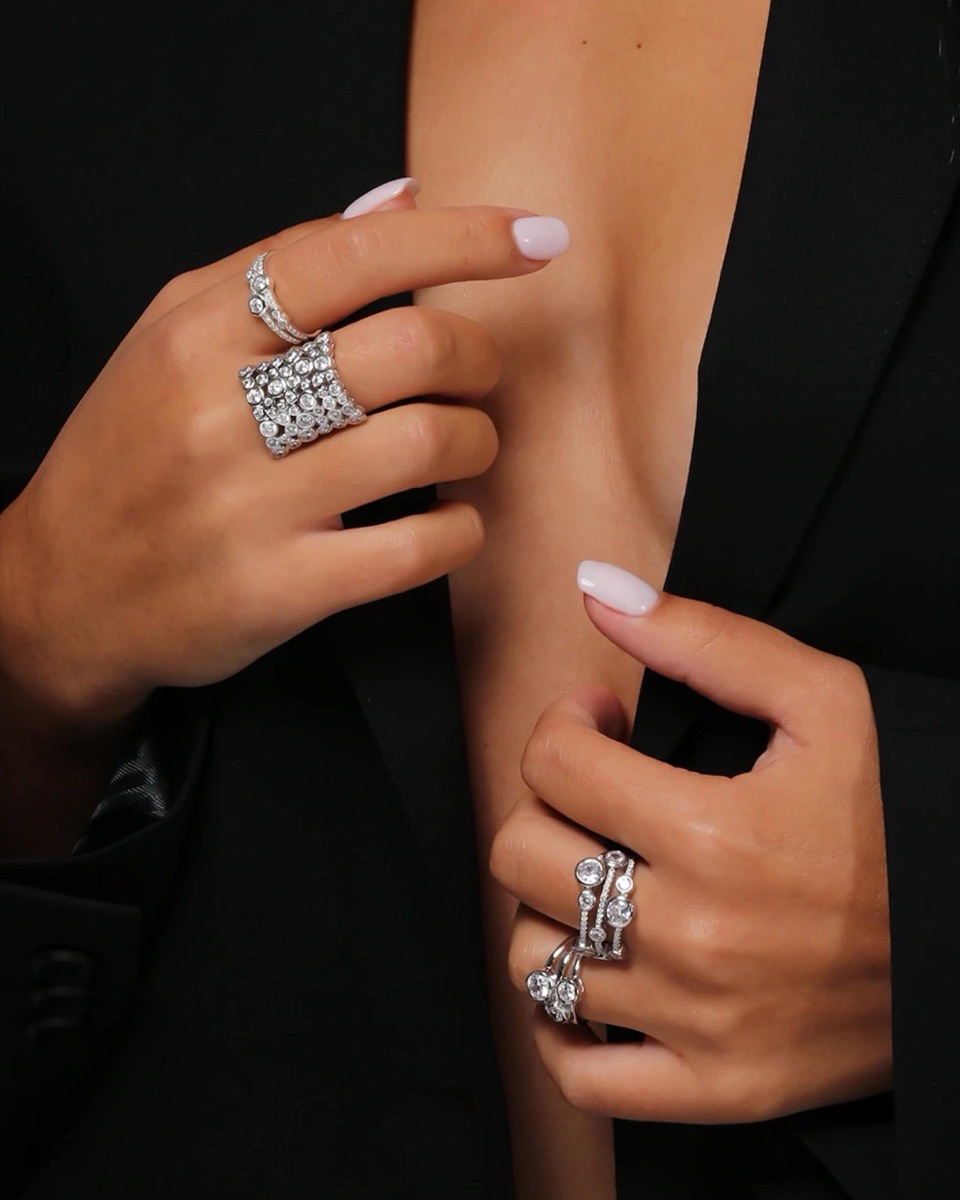
Almost every advert for a watch, a phone, a jar of coffee or a bottle of serum contains a close-up of somebody's hands. That person is rarely the model whose face appears in the wide shot. Hand work is cast separately, shot separately and paid separately — and it is one of the steadiest categories in commercial modelling.
Published 9 August 2026 · Updated 11 August 2026
The work
Beauty and skincare, nail and hair, jewellery and watches, food and drink, technology, pharmacy and packaging. Some of it is stills, much of it is motion, and a great deal is the fiddly insert work a production shoots once the main unit has wrapped.
There is also doubling for film and television — the close-up of a hand signing a document, dealing cards or playing a run on a piano. That discipline is covered in hand doubles and insert shots, written by our production sister London New Wave.
What matters
You will be asked to pick up a glass at the same speed, from the same angle, forty times, while a monitor magnifies every tremor. Steadiness is the single most common reason a hand model is or is not rebooked.
Clients look for even skin tone, unbitten nails and proportion that reads cleanly in frame. Scars and prominent veins narrow the brief list but do not rule you out — character hands are cast too.
Money
Hand work is paid per booking — a session fee for your time plus a usage licence for where the images run. Every job prices differently, and pricing it properly is exactly what your agency is for: we quote, negotiate and invoice each brief on your behalf, so you never price yourself against a global brand alone.
Getting on
Clean, honest photographs in daylight. Palms and backs, fingers straight and relaxed, plain background, nails unpolished. No filters, no retouching. Add a short video of your hands moving and picking something up — steadiness cannot be judged from a still.
Apply through the apply page. If you also act, say so: several performers sit on both this board and the acting board at Allied Artists, and the two feed each other — see hand modelling for actors.
Commercial and lifestyle bookings run through The Diversity Agency, so one submission can be considered across several boards.
Money
Every hand booking is priced individually against the brief — the client, the media and the campaign all move the number, which is why serious agencies quote per job rather than publish rates. What matters for you: the pricing and the negotiation are our job, not yours. Clients can request the current rate card against a live brief.
On set
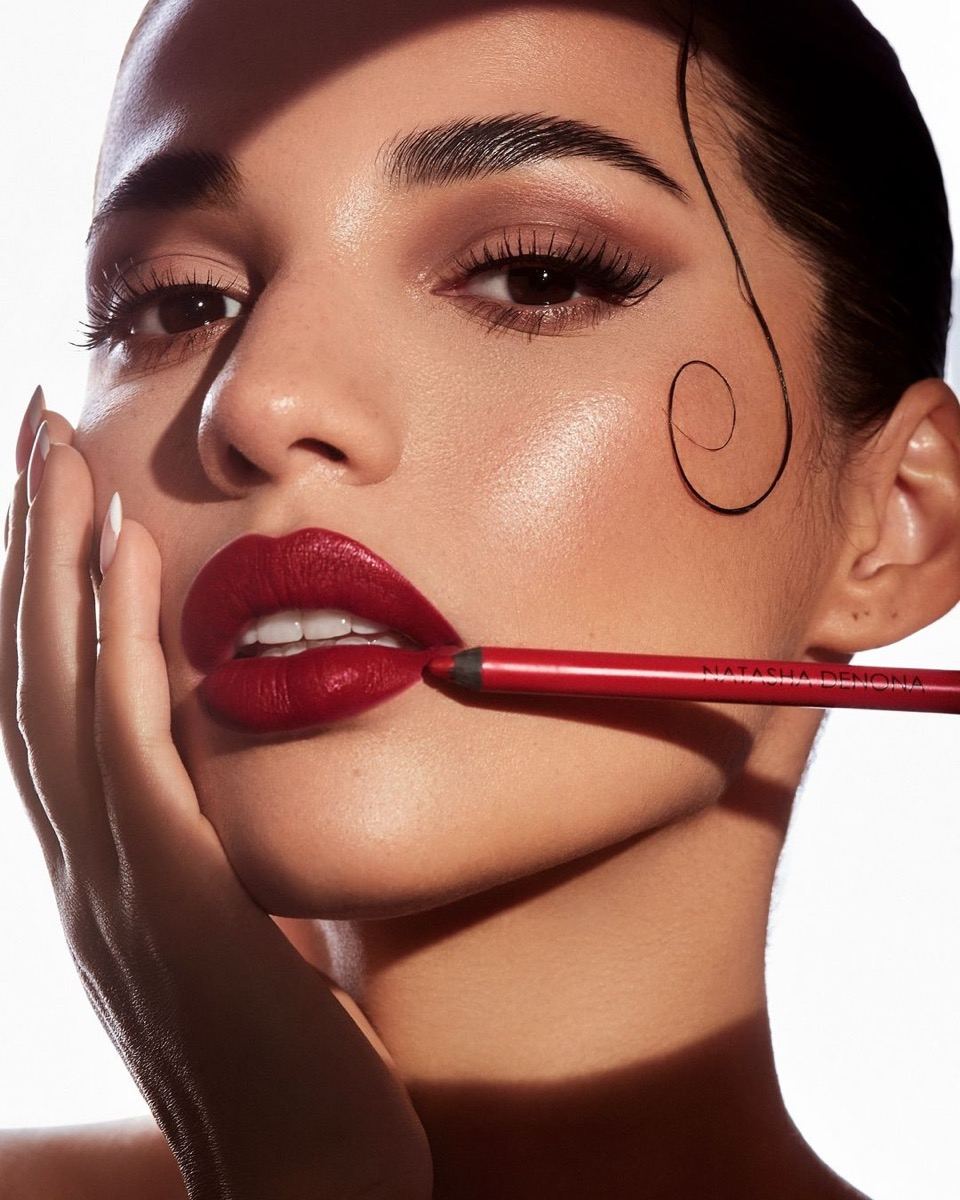
You arrive to a set built around a product, not a person: a table rig, clamps, perspex, and a camera much closer to your skin than feels natural. A stylist checks nails — bare and buffed unless the brief says otherwise — and then the repetition starts. Pick the product up at this speed, from this angle, land it on this mark; again, forty times, while the monitor magnifies every tremor. Motion work adds pour, swipe and unscrew cycles; food work adds wax, glycerine and a home economist re-dressing the plate between takes.
The models who get rebooked are the ones who hold position through resets, take direction without self-directing, and keep their hands warm and even-toned through a long day — cold hands go blotchy on camera, which is why experienced hand models keep a warm layer and shake their arms out between set-ups.
Upkeep
Working hand models treat their hands the way athletes treat hamstrings. Gloves for washing up and gardening. SPF every day, because sun damage reads instantly in close-up. Cuticle oil rather than cutting. Nails filed, natural length, unpolished by default. No new rings before a shoot — they leave marks that take hours to fade — and watch tan lines from watches and sleeves.
The week before a job: nothing new. No fresh manicure the same day, no DIY, no pet-scratch risks you can avoid. And look after both hands equally — the client, not you, decides which hand is the hero.
Agencies
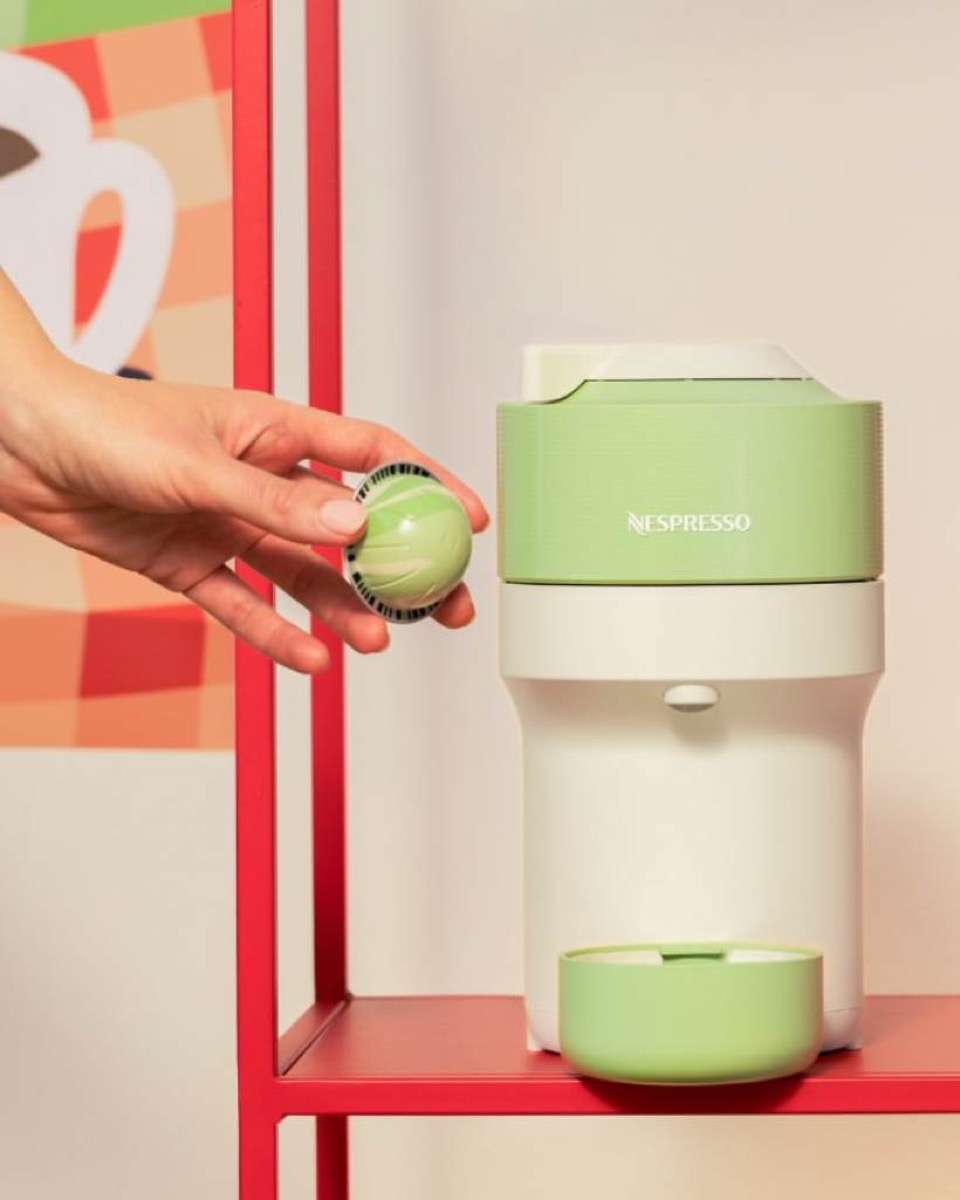
A specialist agency earns its commission four ways: it builds the board images that get you seen, submits you to castings you would never hear about directly, negotiates the licence (the part inexperienced models under-price), and invoices and chases so you are not doing credit control on a global brand alone. It also polices category conflicts, so a moisturiser campaign does not quietly cost you every other skincare brief for a year.
London is the volume market for hand work in the UK — most production companies, most beauty brands, most castings — but the work itself travels, and almost every casting now starts digitally: a brief lands, we submit clean phone pictures of your hands against it the same day. One caution applies everywhere: a legitimate agency never charges a joining fee. If someone asks you to pay to be represented, walk away.
Read the standard we hold the board to on our hand models board, then apply with simple daylight photographs.
Who gets booked
Campaigns no longer shoot one pair of hands. Beauty and skincare brands shoot full shade ranges, retailers shoot swatch sets, and briefs routinely specify skin tones, ages from 18 to 70, and both sexes — watches, tech, grooming and food briefs book male hands constantly. Character hands — visible veins, lines, working hands — are cast too, for food, trades and pharmacy work where a pristine hand would look wrong.
That breadth is the reason this board exists. Recent examples of the work: Aziz for Colgate, Aasiya for Charlotte Tilbury and Ocean for Boots — all cast from this roster. If you want the same work, start with our guides to foot model jobs and fit modelling, or go straight to the apply page.
FAQ
No. Hand work is cast on the hands, not the CV. Steadiness, reliability and well-kept hands matter far more than a portfolio — most of our hand models started from clean phone photographs taken in daylight. What you do need is patience: insert work is repetitive, technical and slower than it looks.
Hand modelling pays per booking — a fee for the session plus a licence for how the images are used — and every brief prices differently. Negotiating that properly is a core part of what the agency does for its models. Clients: ask us for the current rate card against a real brief.
Yes, and demand is steady. Watches, technology, grooming, food and drink, and pharmacy briefs regularly specify male hands. See the male hands board for the standard we look for.
Even skin tone, unbitten nails and proportions that read cleanly in frame matter most. Scars, veins and lines narrow some briefs but open others — character hands are booked for food, trades and pharmacy work where a pristine hand would look staged.
Photograph both hands in natural daylight — palms and backs, fingers relaxed, plain background, nails unpolished, no filters or retouching — and send them through the apply page with your basic details. If the hands fit the board, we arrange proper digitals from there.
No models selected yet.
Tap the heart on any model card to add them to your shortlist.
Tell us what the shoot needs. We come back the same working day with options and a fee.
Your enquiry is with the booking desk. We reply the same working day, Monday to Friday.