
Advice
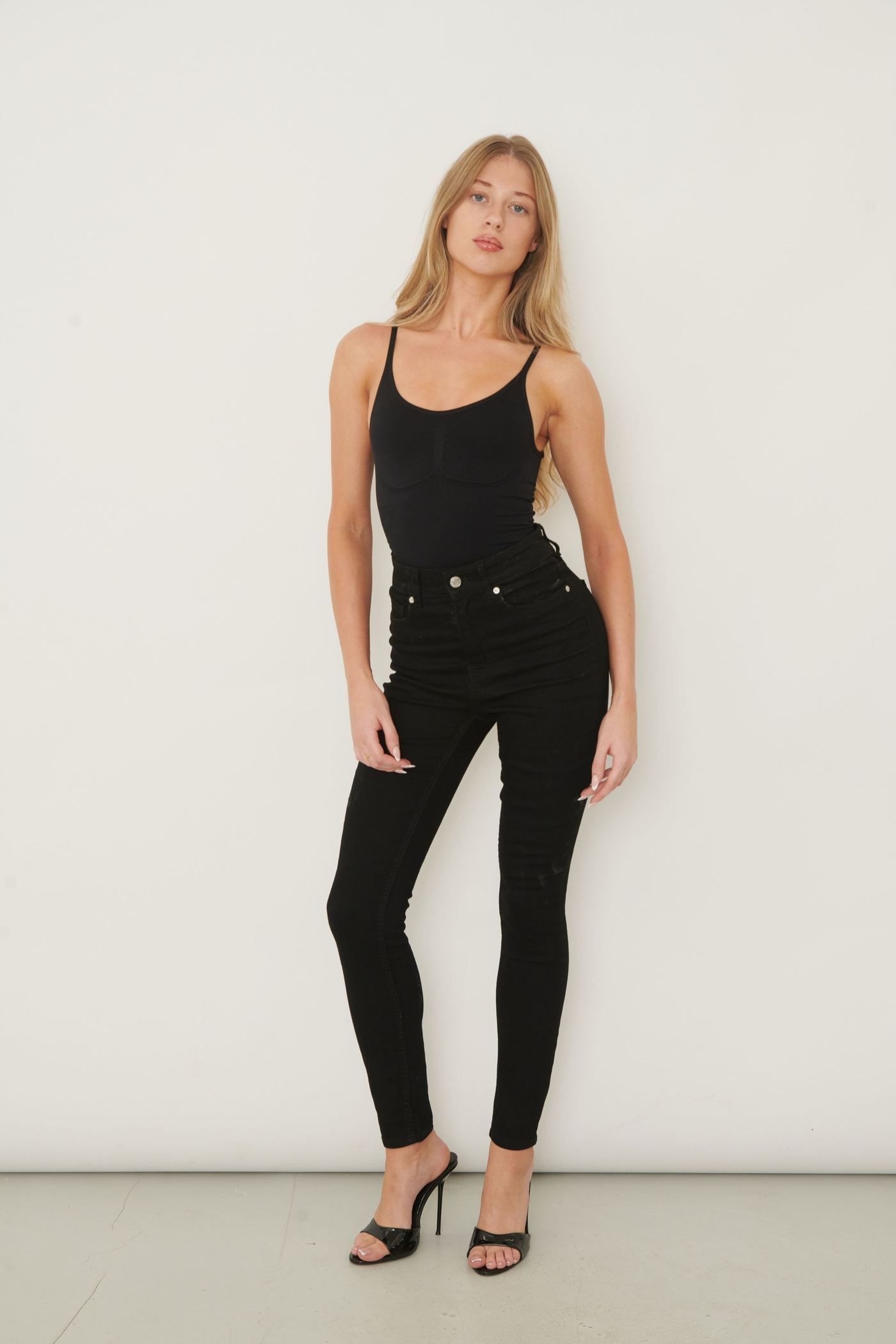
A fit model is the person a garment is built on — the body a brand's pattern cutters fit a sample to, repeatedly, before it is graded into every other size. It is the least visible modelling discipline and one of the most consistent, because it is technical work that repeats every season.
Published 9 August 2026 · Updated 11 August 2026
The session
You stand, move, sit and walk in a garment while a team assesses how it behaves, and you report what you feel: where it pulls across the shoulder, where the waist sits, whether the sleeve restricts you when you reach.
Being articulate is the job. "It's tight" is not useful. "It's tight across the back when I bring my arms forward, and the armhole is cutting" changes a pattern.
Casting
Fit models are booked on measurements, not on face. Brands build to a house block and need a body that matches it consistently — which means stability matters most of all. A brand fitting a season on you needs the same measurements in October as in June.
It also means the work is genuinely open across the size curve. As ranges have broadened, brands need fit models at several points in it, not only sample size.
Money
Fittings are usually paid hourly or by the half day, without the usage fees that apply to campaign work, because nothing is published — no images are taken and there is no licence to negotiate.
What it lacks in usage it makes up in repetition: brands rebook the same fit model season after season, because a changed body means re-establishing the block.
Getting on
Send current, honest measurements taken over close-fitting clothes — bust or chest, waist, hips, inside leg, height, and dress or shoe size. Photographs matter far less here than accuracy, and inflating a measurement wastes everybody's afternoon.
See the fittings board for the standard and apply through the apply page. Commercial and campaign bookings run through The Diversity Agency; if you also act, the acting board is Allied Artists.
Measurements
A fit casting starts with numbers: bust or chest, waist, high and low hip, inside leg, height, and dress or shoe size — plus, for specific product areas, shoulder width, arm length and rise. Take them over close-fitting clothes with a fabric tape, level to the floor, not pulled tight. Brands fit to a house block with small tolerances, so a centimetre of optimism at the casting stage simply means being measured, found out and not booked on the day.
Re-measure monthly and tell your agency when anything moves. A changed measurement is not a problem — briefs exist at every point of the size curve — but an inaccurate one wastes a fitting team's afternoon, and fitting teams have long memories.
Money
Fittings pay hourly or by the half day, without the usage fees of campaign work — nothing is published, so there is no licence to negotiate. The economics run on repetition instead: a brand that builds its block on you needs you every season, often on a standing weekly slot, and established house fit models work to retainer-style arrangements that make this the most predictable income in modelling.
The adjacent work does carry usage: showroom modelling for buyers, and try-on content that ends up on a retailer's product pages or social channels is published material and priced accordingly. Rates depend on the client and the arrangement — request the current rate card when a brief is live.
The market
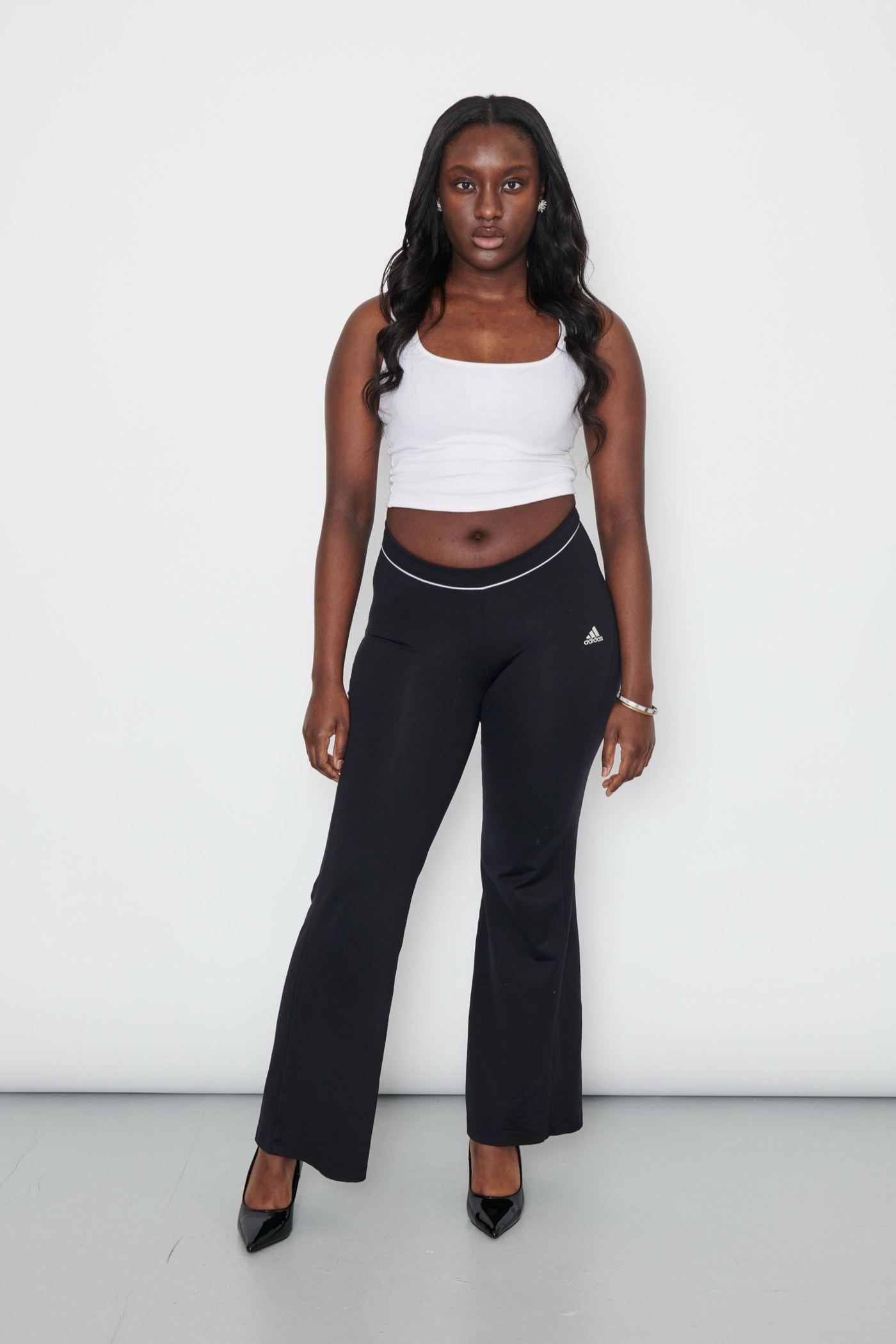
High-street and supermarket clothing labels, sportswear and outerwear brands, denim specialists and online pure-plays all run standing fitting programmes, concentrated in London design studios with regular work around the country's remaining manufacturing bases. Video fittings are now common for follow-up sessions, which widens the map further. Because every size in a range needs a block, briefs exist well beyond sample size — the broadening of UK size ranges has directly increased fit work.
See the measured roster on the fittings board — every profile carries current stats — and the boards it feeds: hands and feet.
The craft
Three habits separate a booked-once fit model from a house fit model. Stability — the same measurements in October as in June. Articulacy — "the armhole cuts when I reach forward" changes a pattern; "it feels weird" changes nothing. Discretion — you will stand in unreleased ranges months before launch, and fitting rooms run on trust; treat everything you see as confidential whether or not an NDA says so.
Punctuality belongs on the list too: a fitting is a room full of pattern cutters, garment techs and designers booked around your body. Being ten minutes late costs a brand more than your fee.
FAQ
The person a garment is built on. Pattern cutters fit samples to a fit model's body repeatedly before a design is graded into every other size, and the model reports how each garment behaves — where it pulls, where it sits, what restricts movement. It is technical, repeatable, largely invisible work.
Whatever the brand's block requires — briefs exist across the size curve, not only at sample size. What matters is accuracy and stability: measurements taken honestly over close-fitting clothes, held consistent season to season, and updated with your agency the moment anything changes.
Not for fittings — nothing is published, so pay is hourly or half-day with no licence. Usage returns for the adjacent work: showroom sessions and try-on content that a retailer publishes on product pages or social channels is licensed like any other published imagery.
No. Brands book measurements, consistency and articulate feedback, not portfolios. Plenty of working fit models have never done photographic modelling — and photographic models with stable measurements often add fittings as their steadiest income line.
Send current, honest measurements — bust or chest, waist, hips, inside leg, height, dress or shoe size — through the apply page. Photographs matter far less than accuracy. If your measurements match a block brands are hiring against, we take it from there.
No models selected yet.
Tap the heart on any model card to add them to your shortlist.
Tell us what the shoot needs. We come back the same working day with options and a fee.
Your enquiry is with the booking desk. We reply the same working day, Monday to Friday.