Advice
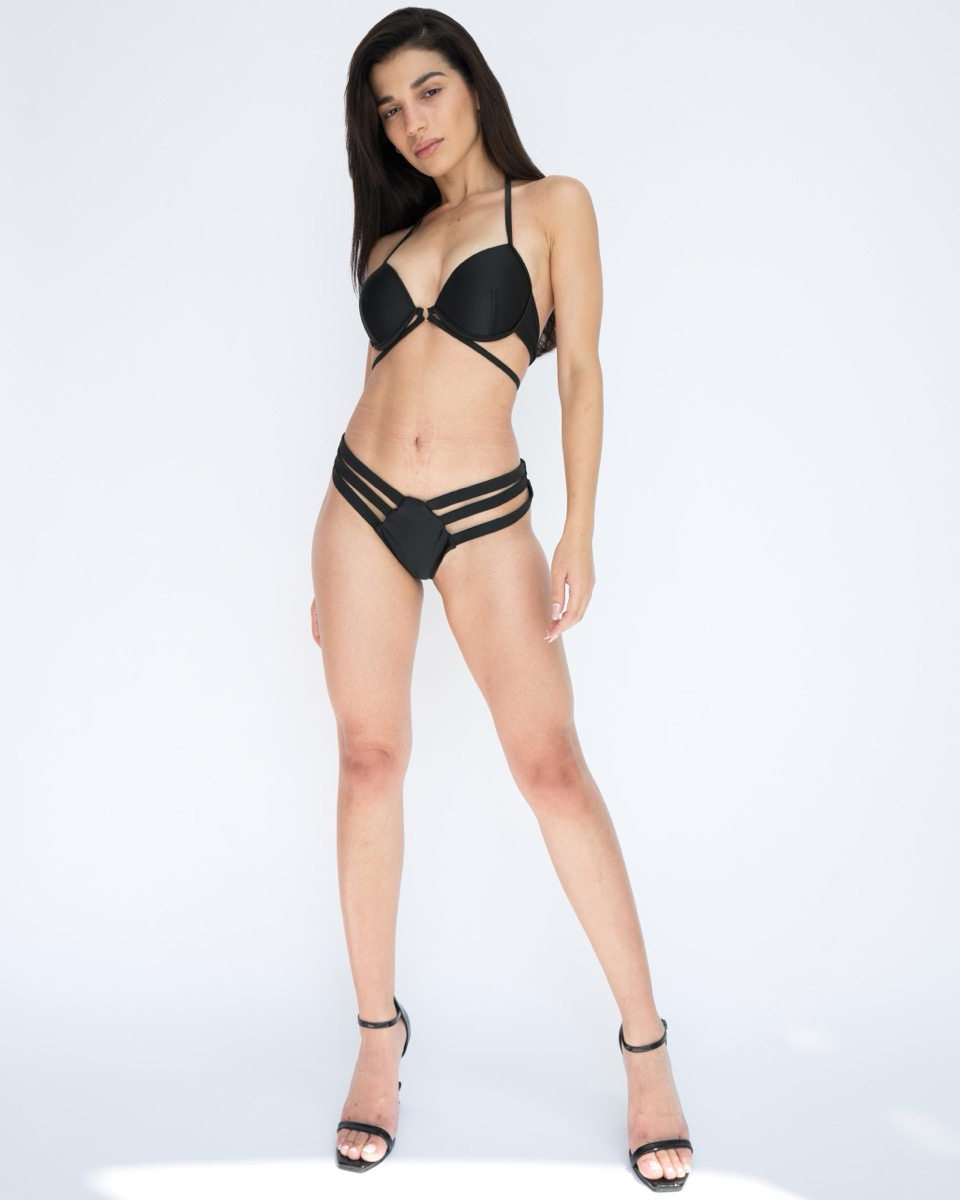
Legs are cast as their own category for the same reason hands are: the close-up is a separate shot, shot on a separate day, and the person in it is rarely the model whose face fronts the campaign. Hosiery, razors, swimwear, sportswear and skincare all run on leg close-ups, and the work is steadier than its visibility suggests.
Published 11 September 2026
The work
Hosiery and legwear is the oldest lane and still the largest — tights, stockings, socks and shapewear, shot flat-lit and close so the fabric reads properly.
Hair removal and skincare is the most lucrative. Razors, epilators, waxing, moisturisers, tanning and treatment products all need legs photographed before and after, and the usage on those campaigns is frequently broad.
Sportswear and activewear books legs for compression, running and gym product, often in motion, which asks for a different kind of model than a static hosiery day.
Swimwear and footwear round it out, along with a steady stream of medical and support-garment work that most people never think of as modelling.
The standard
Even skin tone and clear skin are the first requirements, because the lens is close and the lighting is hard. Visible scarring, bruising, prominent veins and tan lines are the usual reasons a pair of legs is passed over for a given brief.
Proportion matters more than length. Clients are looking for legs that read cleanly in frame against the product, not for a particular height, and shorter models are booked regularly for hosiery and skincare.
Tone and definition matter for sportswear specifically, where the brief is about the product on a working body rather than a smooth surface.
Age range is wider than people assume. Mature legs are booked for support hosiery, circulation products, healthcare and pharmacy campaigns, and the demand there is consistent rather than occasional.
The money
As with every booking, the quote is a fee for the time plus a separate licence for the usage. The usage is priced on media, territory and term, and on a national skincare or razor campaign it is usually the larger figure.
A standard day is eight hours including a one-hour meal break; half days run to four hours. Hosiery e-commerce days carry high shot counts and repeat through the season.
Every fee we quote carries a 20% agency fee on top of the model's rate, and every licence states a start and an end date. No images may be used before the usage fee is paid unless we have expressly agreed it in writing.
Preparation
Clients will specify how they want the legs to arrive — usually shaved or waxed, moisturised, with no fake tan unless the brief asks for it, and no marks from socks, waistbands or tight footwear.
Give yourself a day between waxing and a shoot. Skin that is still reacting will not photograph, and turning up with visible irritation means the day is lost for everyone.
Bring plain, loose clothing to travel in and to wear between set-ups. Elastic marks are the single most common avoidable reason a leg shoot stalls.
Expect to hold positions for long stretches while lighting is adjusted. Leg work is more physically static than most modelling and stillness is the skill being paid for.
Applying
Send four plain daylight photographs: legs from the front, from the side, from behind, and one full-length shot for proportion. Phone camera, plain background, no filters and no retouching.
Include your height, dress or trouser size, shoe size, where you are based, and whether you have any visible scarring or marks. Be straightforward about it — clients brief for specific things and honesty saves everybody a wasted booking.
There is no fee to apply and none to be represented. A legitimate agency earns commission on work it has secured for you and paid nothing before.
Every application is read and every applicant gets an answer.
Frequently asked
A fee for the shoot time plus a separate usage licence, priced on where the images run, in which territories and for how long. Skincare and hair-removal campaigns typically carry the broadest usage and therefore the largest fees.
No. Clients cast on how the legs read in frame against the product rather than on height, and hosiery, skincare and healthcare work is booked across a wide range of heights and builds.
No. Like hand and foot work, leg modelling is cast on the body part and on reliability. Most people booked for hosiery and skincare e-commerce were new when they signed.
Even skin tone, clear skin and no visible scarring or heavy tan lines for most briefs. Sportswear asks for more tone and definition; healthcare and support-garment work frequently wants legs that look ordinary and lived-in.
Yes — sportswear, compression, running product, socks and medical supports all book male legs, and the standard applied is the same.
No. Support hosiery, circulation products, pharmacy and healthcare campaigns book mature legs constantly, and that demand is steady year round.
No models selected yet.
Tap the heart on any model card to add them to your shortlist.
Tell us what the shoot needs. We come back the same working day with options and a fee.
Your enquiry is with the booking desk. We reply the same working day, Monday to Friday.